 Contact Us At
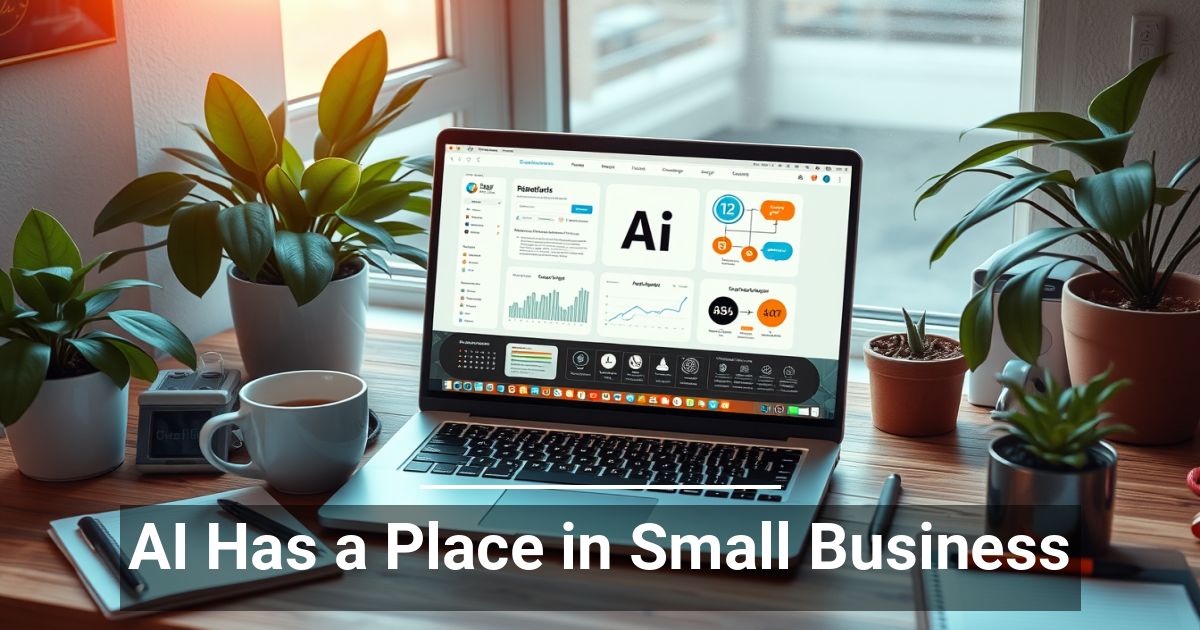 Is artificial intelligence really practical for establishments running on limited resources? See how AI for small business doesn't have to mean expensive systems or technical teams.
AI Isn't Easy, Even With Deep Pockets
Tech specialists and corporate giants struggle to turn AI initiatives into meaningful returns, with high costs, complicated governance, and unclear value keeping projects stuck in the experimental stage.
This raises an obvious question: How can a smaller company possibly keep up?
Small and medium-sized businesses (SMBs) should focus on targeted problems instead of pursuing massive transformations. A practical AI implementation, for example, may start inside software your company already uses rather than with an expensive system built from scratch.
What's Holding SMBs Back?
Interest in artificial intelligence adoption is growing, but several barriers can stand between curiosity and action:
- Knowledge gaps: Business owners may understand AI's potential without knowing how it differs from traditional automation or where each technology fits into daily operations.
- Too many choices: New platforms arrive constantly, and comparing their capabilities can quickly become overwhelming. The wrong product may add complexity without solving the original problem.
- Limited internal expertise: Smaller teams often lack specialists who can evaluate complex systems. This shortage makes technical requirements and potential limitations harder to assess.
- Budget concerns: SMBs have less room for costly experiments, so leaders need a clear business case before committing money to unfamiliar technology.
- Trust questions: Company heads may hesitate to hand sensitive information or important decisions to unfamiliar software.
Give AI a Job Instead of a Blank Check
Successful AI for small business starts with purpose. Consider incorporating the following steps into your adoption strategy.
Find One Pain Point
Where does your team lose valuable hours? Look for a repetitive process with a measurable outcome. Inventory forecasting, for example, may offer a practical starting point for a retailer.
Get Your Data in Shape
Useful results depend on accessible information. Customer or operational data often sits in separate applications, making company-wide patterns harder for AI-powered tools to recognize. Know what you have before expecting software to make sense of it.
Prepare Your Employees
Technology alone won't close a skills gap. Teach staff what a new system does and where human judgment still matters.
Start small, and give employees time to become comfortable with the change. A regular feedback loop can help uncover problems early and show where the system needs adjustments.
Measure What Matters
Did the new system save hours, reduce errors, or improve an important process? Compare the outcome with your original goal before investing further. Clear measurements help show whether small business AI deserves a larger role.
Bridging the AI Readiness Gap
You don't need an enterprise budget to explore what this technology can offer. A well-planned strategy can improve business productivity without forcing your company into an expensive overhaul.
Focus on fixing a key operational problem, and expand only when the results justify it. That's how AI for small business becomes a useful investment instead of another technology experiment.